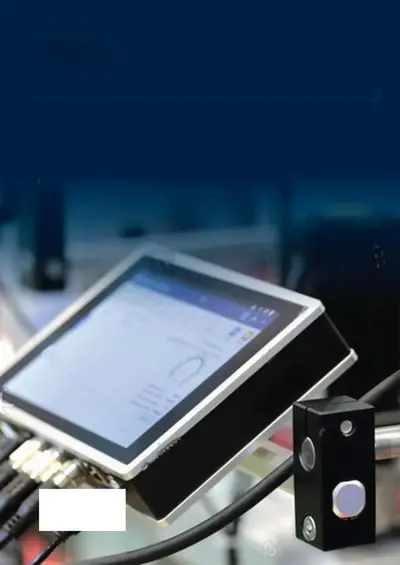
The right display for my application

A decision-making aid for anyone faced with the task of selecting the right display for a new device or an update. The choice is huge, from STN text displays and graphic displays to high-resolution colour displays with touch. There are good arguments for all display technologies (see below), because the "ideal display" that fulfils all properties optimally and is also inexpensive to purchase has not yet been invented. Monochrome displays, for example, are not as stylish as colour displays, but they do save energy and are generally very easy to read in sunlight. And although OLED displays have been under constant development for many years, they are rarely a complete replacement for LC displays. A good way to narrow down the almost unmanageable variety is to approach it from the point of view of the application or the requirements.


Handheld / energy-saving
The device is compact and probably even battery-operated. The integrated display must be correspondingly small and possibly flat. The width should not exceed 80 mm. A 3.5 inch display, for example, is a convenient size and can also be installed upright ("portrait" mode).
Inexpensive colour displays are available in this size, as well as high-quality, bright displays using IPS technology. However, power consumption is often also a decisive factor, as it determines the required capacity of the battery...

Download the complete article (pdf)
 

FAQ - Questions and Answers About the Display Selection Guide

Questions and brief, easy-to-understand answers about the display selection guide

What factors should I consider when choosing a display for my device?

When choosing a display for your device, you should consider several factors, including the display size, resolution, power consumption, and readability in sunlight. Monochrome displays, for example, are energy-efficient and easy to read in sunlight, while color displays are more aesthetically pleasing. The display technology, such as IPS or OLED, also plays a role, as it affects image quality and viewing angles. The type of application—whether it’s a handheld device or a stationary device—can also influence your decision. Finally, you should also consider the cost and availability of replacement parts.

Why are monochrome displays often better suited for battery-powered devices?

Monochrome displays are often better suited for battery-powered devices because they generally consume less power than color displays. This is particularly important for compact devices with limited battery capacity. In addition, monochrome displays are generally very easy to read in sunlight, making them ideal for outdoor use. Although they aren’t as stylish as color displays, they provide a clear and distinct presentation of information. These characteristics make them a practical choice for applications where energy efficiency and readability are priorities.

What are the advantages of OLED displays compared to LCD displays?

OLED displays offer several advantages over LCD displays, including better color reproduction and higher contrast. They are capable of displaying deeper blacks because they do not require a backlight, resulting in a better viewing experience. In addition, OLED displays are often thinner and lighter, making them ideal for slim and portable devices. However, they are generally more expensive and have a shorter lifespan than LC displays. Despite their advantages, they are not always a complete replacement for LCDs, especially in applications where durability and cost play a greater role.

What is the ideal screen size for a handheld device?

For a handheld device, a display size of about 3.5 inches is ideal, as it offers a good balance between readability and compactness. This size makes it possible to hold the device comfortably in one hand while still displaying enough information on the screen. A display of this size can be used in both landscape and portrait orientation, depending on the application’s requirements. Additionally, both cost-effective color displays and high-quality IPS displays are available in this size range. However, choosing the right size also depends on the specific application and user requirements.

How does display technology affect a device's performance?

Display technology has a significant impact on a device’s performance, as it determines image quality, power consumption, and the user experience. Technologies such as IPS offer better viewing angles and color accuracy, which enhance visual quality. OLED displays offer deep blacks and high contrast, but are often more expensive and have a shorter lifespan. Monochrome displays are energy-efficient and easy to read in sunlight, making them ideal for energy-efficient applications. Choosing the right technology depends on the specific requirements of the application, including the environment in which the device is used.

Why is DISPLAY VISIONS the best choice for selecting the right display?

DISPLAY VISIONS is the best choice for selecting the right display, as they offer a wide range of display technologies and sizes tailored to various applications. They not only provide high-quality products but also offer comprehensive consultation to ensure you find the display that meets your specific needs. With their many years of experience in the industry, they can provide informed recommendations based on the latest technological developments. In addition, they prioritize customer satisfaction and provide excellent service to help you integrate the display into your device. This combination of quality, service, and expertise makes DISPLAY VISIONS the ideal choice for your display needs.
Deutsch
Französisch